Flying a Drone in Tangalle: What You Need to Know
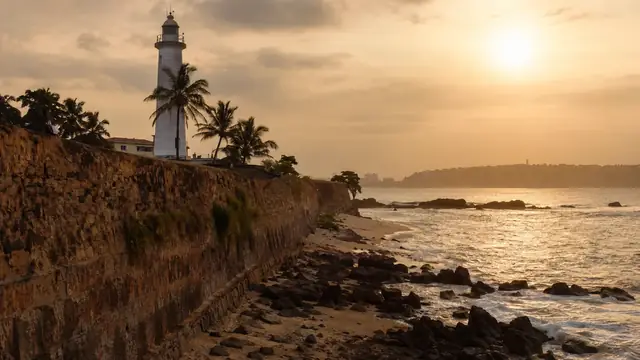
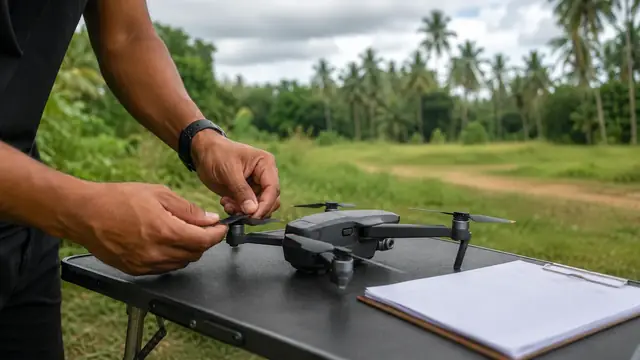
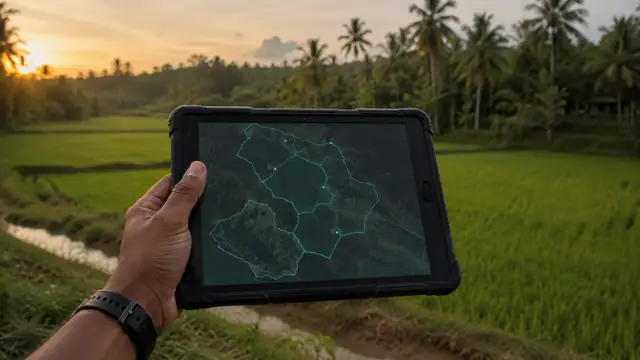
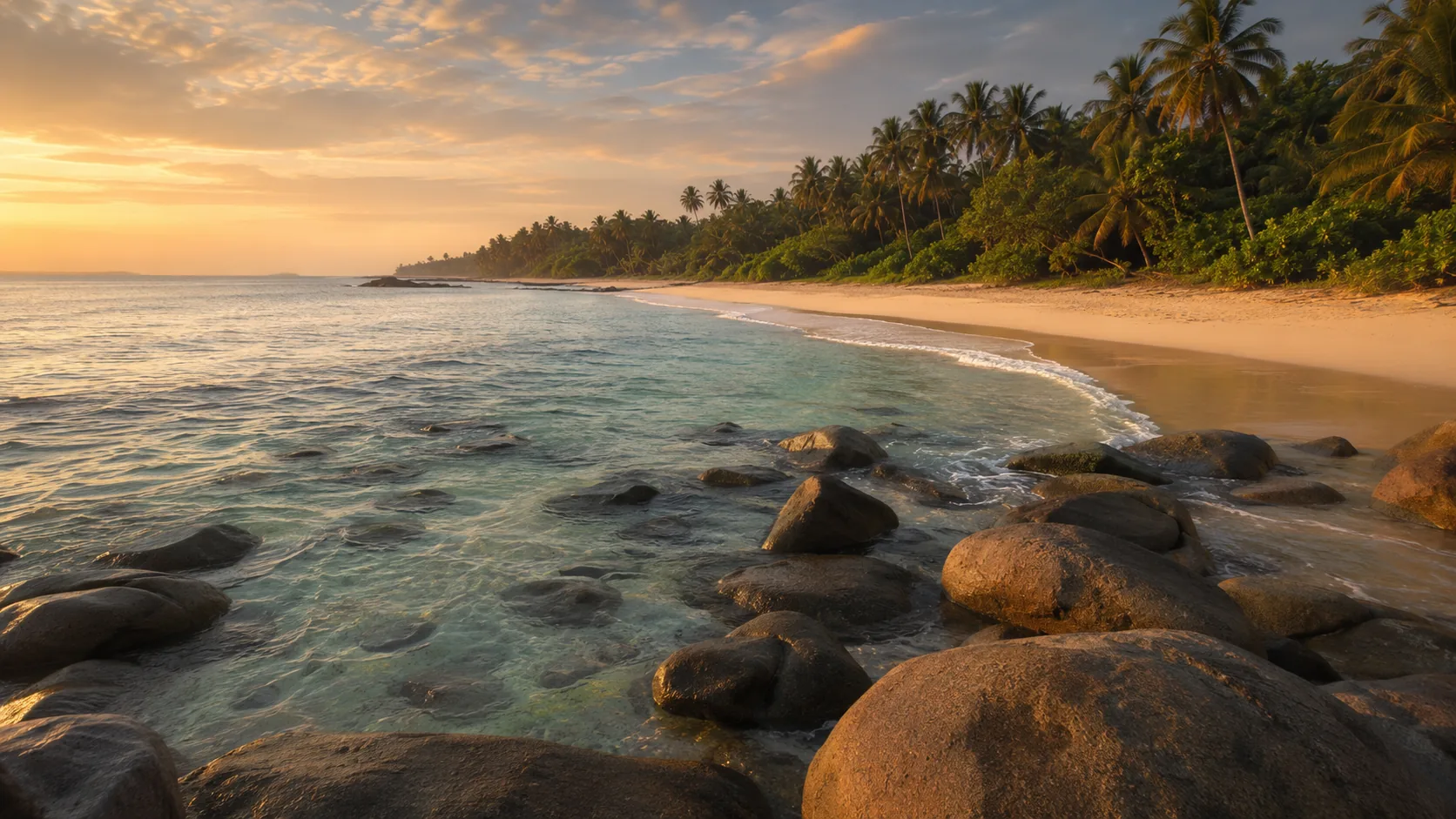
Illustrative imagery for geographical context. It does not indicate that drone operation is permitted at this location.
Last verified 2026-07-19 · CAASL, with the DWC for Rekawa and the Department of Archaeology for Mulkirigala
Drone guidance for Tangalle: the quiet coves, Rekawa's turtle nesting beach, Mulkirigala rock temple and the Hummanaya blowhole.
By the Sri Lanka Drone Editorial Team · Last reviewed 19 July 2026
Quick answer
Tangalle's coast is quieter than the west, which makes compliant flying more realistic here than in most beach towns, subject to the standard registration, clearance and approval framework and a zone map check for exact coordinates. The exceptions are specific and serious: Rekawa's beach is one of the island's most important sea turtle nesting sites, where five species come ashore at night and disturbance, especially lights, is strictly managed; and Mulkirigala's rock temple is an archaeological and religious site where departmental permission applies. The Hummanaya blowhole draws its own small crowds on the clifftop.
- Responsible authority
- CAASL, with the DWC for Rekawa and the Department of Archaeology for Mulkirigala
- Who this applies to
- Photographers and visitors along the Tangalle coast, Rekawa and the inland temples.
- Verification status
- verified against official source
- Last verified
- 19 July 2026
- Last reviewed
- 19 July 2026
The empty-cove advantage
East of town, the coast breaks into rocky coves and long unpeopled beaches where the practical conflicts that plague busier resorts largely disappear. The framework still applies in full, and the zone map check still comes first, but Tangalle rewards the operator who does the paperwork with some of the south's most flyable coastline.
Rekawa belongs to the turtles
Rekawa's beach hosts nesting green, leatherback, hawksbill, olive ridley and loggerhead turtles, coming ashore in darkness. Nesting is exquisitely sensitive to light and disturbance, which is why visits run under controlled conditions. A drone over a nesting beach at night is exactly the kind of disturbance the protection exists to prevent; keep aerial activity away from Rekawa entirely, and by day treat the beach as sensitive habitat rather than a subject.
Mulkirigala and the blowhole
Mulkirigala's cave temples climb a rock outcrop inland; as an archaeological and active religious site, departmental permission joins the standard approvals for any flight there. At Hummanaya, the blowhole's clifftop viewing area concentrates visitors into a small space, engaging the rule on people; the wider coastline around it is the better subject.
Frequently asked questions
Is Tangalle good drone country?
By south-coast standards yes: quiet coves and long empty beaches make compliant flying realistic once the standard approvals are in place.
Can I fly at Rekawa turtle beach?
Keep drones away from Rekawa. It is a critical nesting site where disturbance, especially at night, is strictly managed.
Does Mulkirigala require special permission?
Yes; it is an archaeological and religious site, so departmental permission applies alongside the standard approvals.
Spotted outdated or incorrect information? Suggest a correction.