Flying a Drone at Udawalawe: What You Need to Know
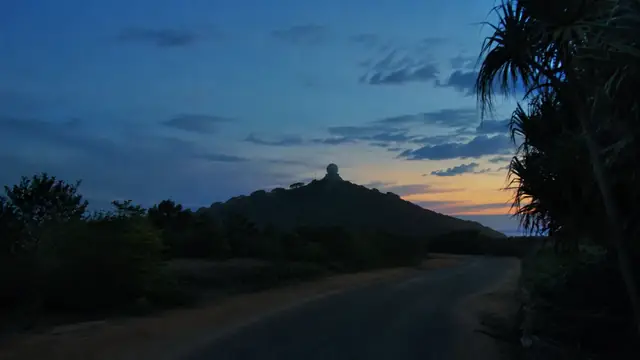
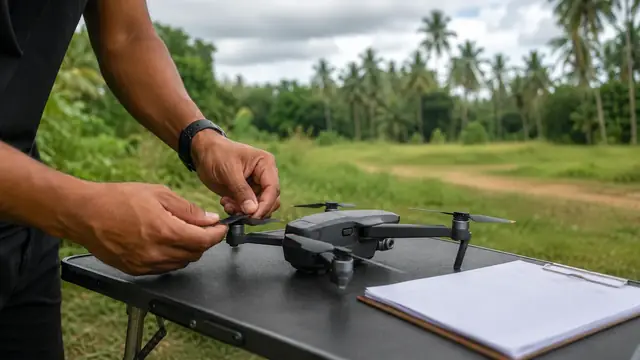
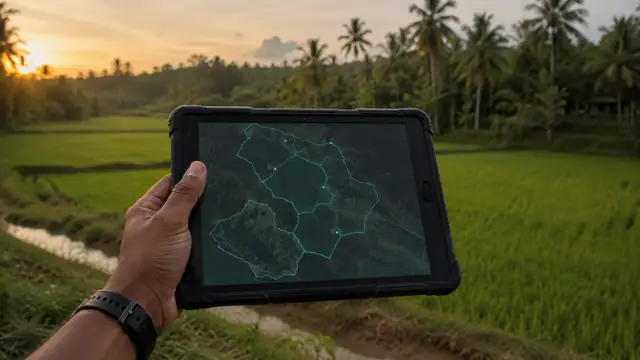
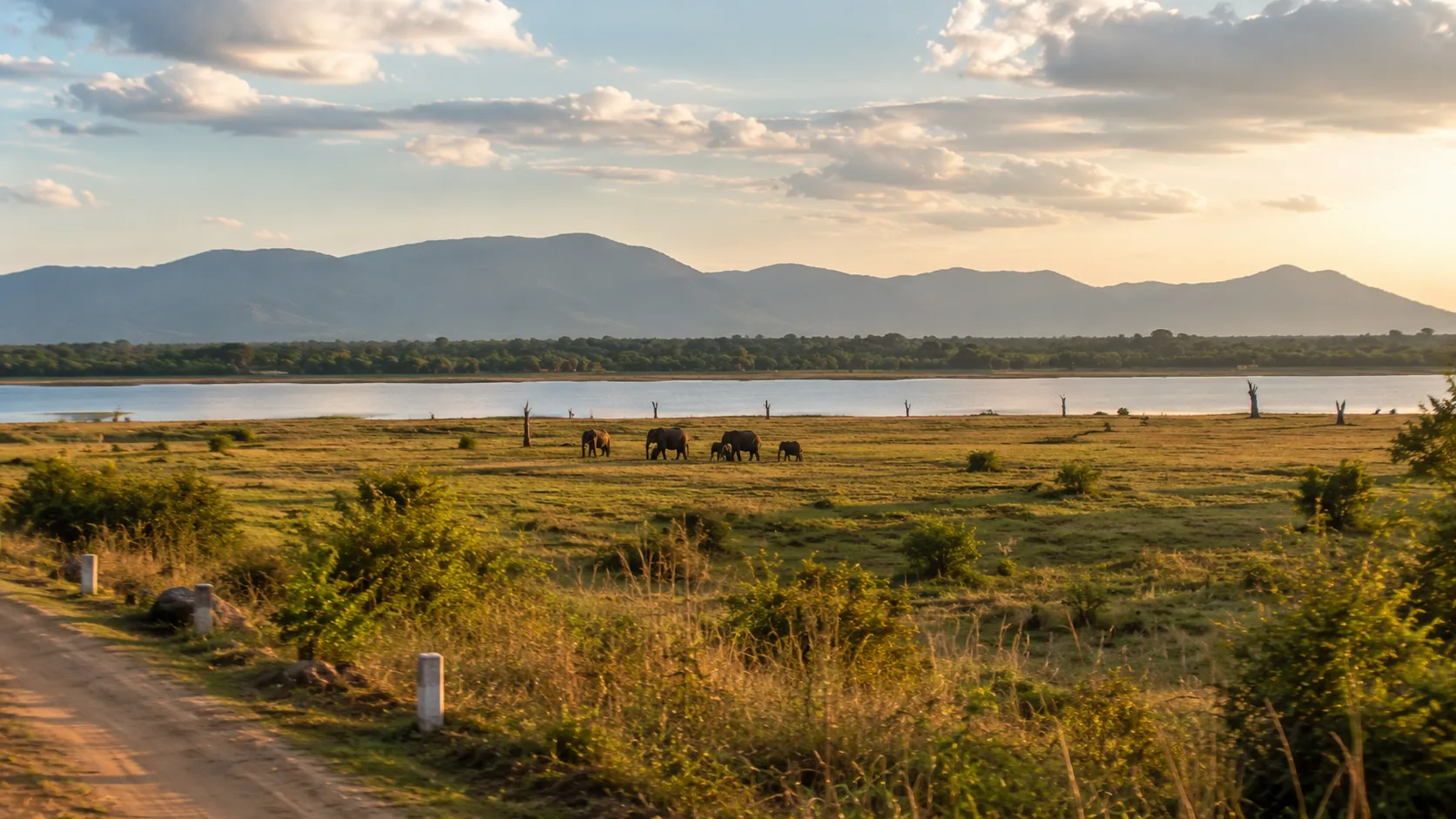
Illustrative imagery for geographical context. It does not indicate that drone operation is permitted at this location.
Last verified 2026-07-19 · Department of Wildlife Conservation, with CAASL and the MOD
Drone guidance for Udawalawe: the national park's elephants, the Elephant Transit Home, the reservoir and where the standard rules resume outside the boundary.
By the Sri Lanka Drone Editorial Team · Last reviewed 19 July 2026
Quick answer
Udawalawe is a national park under the Department of Wildlife Conservation, and the same principle as at Yala applies: drone use in national parks requires the department's permission, and recreational flying should be assumed not allowed. The park's open grasslands make its elephant herds unusually visible, which is exactly why aerial disturbance matters; the Elephant Transit Home on the boundary cares for orphaned calves and deserves particular distance. Outside the park, the reservoir landscape falls back under the standard framework, with the zone map checked for exact coordinates.
- Responsible authority
- Department of Wildlife Conservation, with CAASL and the MOD
- Who this applies to
- Safari visitors and operators around Udawalawe National Park and the reservoir.
- Verification status
- verified against official source
- Last verified
- 19 July 2026
- Last reviewed
- 19 July 2026
Open country, visible elephants, real disturbance
Udawalawe's grasslands mean visitors reliably see elephants, including mothers with calves. A drone over a herd is not a neutral observer: elephants respond to unfamiliar sound overhead, and repeated disturbance changes behaviour in ways park managers take seriously. The Department of Wildlife Conservation's permission requirement exists to keep that pressure off the animals.
The Elephant Transit Home
On the reservoir's edge, orphaned calves are raised for release back into the wild. The facility's feeding times draw visitors, and the calves' welfare depends on a calm environment; treat the Transit Home and its surroundings as strictly off limits for any aerial activity.
The wider reservoir landscape
Beyond the park boundary, the Udawalawe reservoir, the sugarcane country and the road towards the hills fall under the standard framework: registration, clearance, approval and a zone map check for the exact coordinates. Fishermen work the reservoir and birdlife concentrates along its margins, so the rules on people and wildlife still shape where a flight makes sense.
Frequently asked questions
Can I fly a drone inside Udawalawe National Park?
Assume no. Drone use in national parks requires Department of Wildlife Conservation permission.
Can I film the Elephant Transit Home from the air?
No. The calves' rehabilitation depends on minimal disturbance; keep drones well away from the facility.
What about the reservoir outside the park?
The standard framework applies; check the zone map for exact coordinates and respect the people and birdlife along the shore.
Spotted outdated or incorrect information? Suggest a correction.